

Why Is Seasonal Roof Maintenance Important in Vestal, NY?
Seasonal roof maintenance helps local homeowners address specific challenges from Vestal’s changing weather—from snowy winters to heavy spring rains and leafy autumns. Regular checks before and after each season protect against damage and help avoid expensive repairs, especially given the city’s fluctuating temperatures and above-average precipitation.
Overlooking routine care can mean leaks, mold, reduced insulation, or even structural issues. By following predictable seasonal rhythms, area residents can keep their roofs durable and safe regardless of the season.
What Tasks Should Be Done Each Spring?
Spring is a time to inspect for issues caused by freezing, heavy snow, and ice. Begin with a straightforward assessment once rooftop snow and ice have melted.
- Remove leftover debris such as branches or leaf piles that may have accumulated over winter.
- Check for signs of shingle lifting, cracks, or missing pieces often caused by icy conditions or freeze-thaw cycles in the region.
- Inspect gutters and downspouts for clogs or damage. Melting snow can carry granules or bits of roofing into gutters, leading to drainage issues.
- Examine for algae, moss, or lichen, especially on shaded portions of the roof. Vestal’s abundant tree cover often means higher moisture and shade, which foster these growths.
- Look inside the attic for water stains, mold spots, or musty odors, which could signal leaks that only became obvious after snowmelt.
Address any simple cleanup and debris removal with gloves and proper ladder safety. Structural damage, such as sagging or severe leaking, may warrant assessment by a qualified expert.
How Does Summer Heat Affect Local Roofs?
Summer in Vestal brings high humidity, sun exposure, and occasional strong storms. These conditions can compound existing roofing problems.
Routine summer tasks include:
- Checking attic ventilation to ensure heat isn’t being trapped, which may deform shingles or prematurely age roofing materials.
- Observing for signs of sun damage, like blistering or curling shingles on south- or west-facing roof slopes.
- Scanning for damage after heavy thunderstorms, which can bring down tree limbs or cause flashing to become loose around chimneys, vents, or skylights.
- Ensuring gutters are still securely attached and intact after spring storms to handle sudden summer downpours.
A common misconception is that summer roofs don’t need attention if there was no winter damage. However, heat, UV exposure, and wind-driven rain put unique stress on materials—even those properly installed and only a few years old.
What Should Be Checked in the Fall Before Cold Weather Arrives?
Preparing for winter is especially important in the city, where temperature swings and heavy leaf fall coincide.
- Carefully clear leaves, twigs, and pine needles from gutters and roof valleys. Blockages can cause water to pool or ice dams to form after snow.
- Double-check for missing, curled, or damaged shingles, particularly after local fall windstorms.
- Assess flashings around chimneys, skylights, and vents for any signs of lifting or rust.
- Trim branches overhanging rooftops so they won’t snap under snow or ice, which could damage shingles or let animals access the attic.
- Make sure downspouts direct water a safe distance away from your home’s foundation to prevent soil erosion during rainstorms or snowmelt.
Ignoring these items can make roofs vulnerable once snow builds up, potentially leading to costly water infiltration and insulation problems indoors.
How Can Winter’s Challenges Be Managed Safely?
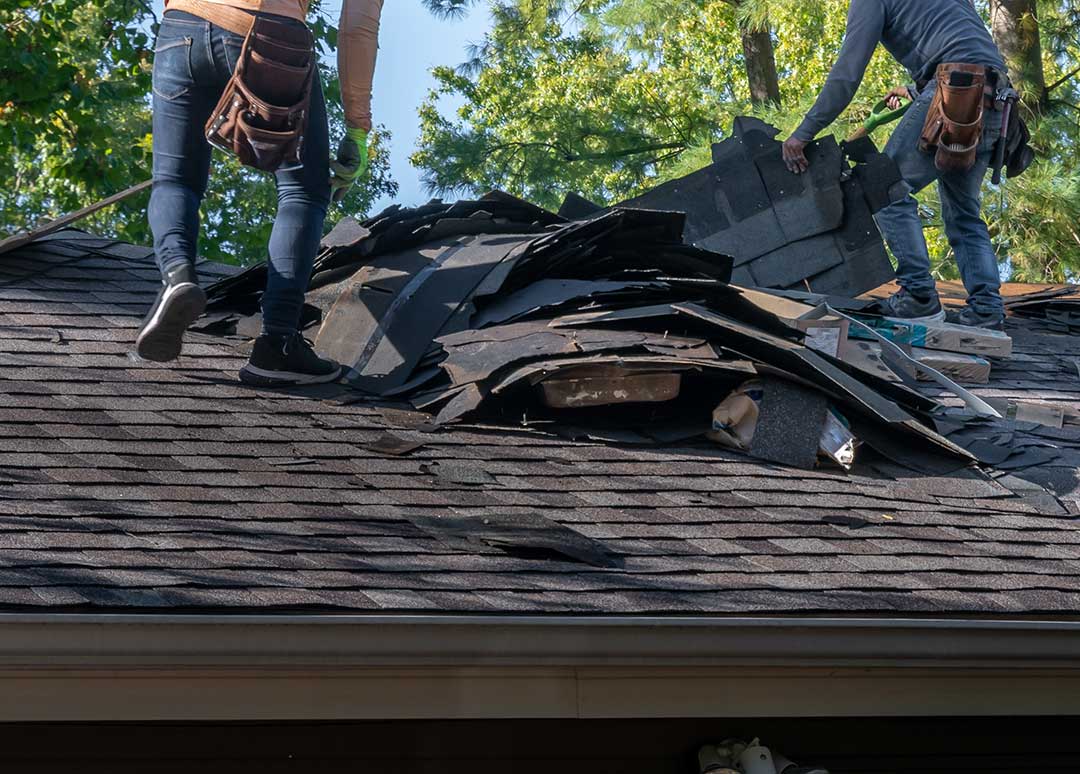
Given Vestal’s typical snowfall, careful winter roof management can help prevent ice dams, leaks, and physical damage.
- After heavy snowfalls, use a roof rake (from the ground) to clear excess snow from the eaves—don’t climb onto an icy roof.
- Monitor attic temperatures and insulation: uneven heat can prompt ice dams, where melting snow refreezes at the roof’s edge and blocks runoff.
- Keep an eye on icicle formation. Large icicles may indicate improper attic ventilation or drainage issues.
- Inspect ceilings and attic spaces on warmer days for signs of leaks, such as drips or new stains.
- If unexpected thawing reveals roofing problems, mark trouble spots for full inspection come spring.
Clearing snow and addressing leaks during cold snaps can be risky. Only attempt safe, ground-level removal or light debris clearing yourself; leave complex or hazardous winter roof tasks to those trained for such conditions.
What Are Common Misconceptions About Seasonal Roof Maintenance?
Many residents believe that newer roofs don’t need attention or that simple visibility checks are enough. In reality, issues like loose flashing, blocked gutters, or minor shingle movement often go unnoticed until they worsen.
Another misconception is that visible stains inside a home aren’t urgent in cooler months, but small leaks can become larger problems after repeated freeze-thaw cycles.
Some think that only rain is a problem, but snow, ice, high winds, and even local wildlife (like squirrels or birds seeking entry in the fall) all pose maintenance challenges in this region.
Is There a Reliable Annual Schedule for Vestal Homeowners?
While each year varies, a reliable maintenance rhythm follows:
- Early spring: Assess winter damage, clear debris, and check for leaks.
- Early to mid-summer: Focus on ventilation, attic heat, possible post-storm damage, and sun-worn shingles.
- Early to mid-fall: Clear all roof and gutter debris, trim trees, and inspect for entry points before winter sets in.
- After major storms or heavy snowfall: Inspect for and address emergent risks, doing so safely from the ground when possible.
Having this checklist as a reference helps households ease the learning curve and boosts roof longevity—especially in the variable climate faced by Vestal residents.
