
Can old roofing materials be recycled?
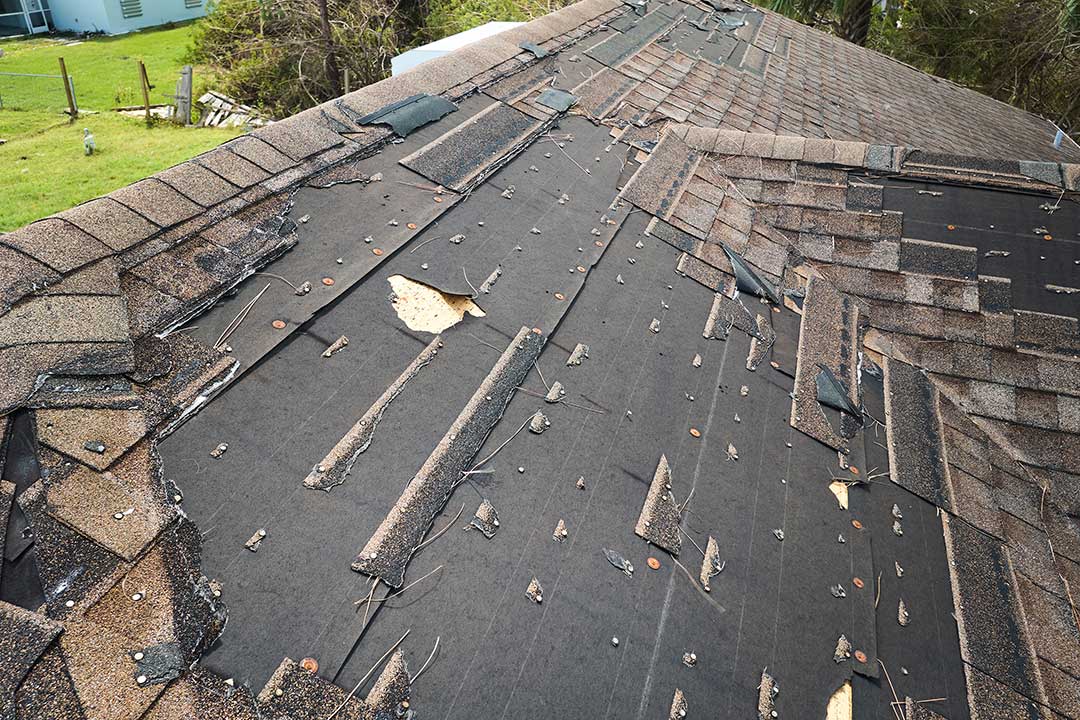
Yes, many roofing materials can be recycled or recovered, but they usually do not belong in a household recycling bin. Asphalt shingles, roofing paper, metal flashing, gutters, clean wood, and some insulation or sheathing must typically be separated and taken through a construction-and-demolition debris program.
For residents of Vestal, NY, the practical first step is to identify what the roofing waste contains. A load made mostly of clean asphalt shingles may be suitable for a registered construction-and-demolition debris handling and recovery facility. New York State allows facilities to accept uncontaminated asphalt roofing shingles and roofing paper when the material does not contain friable asbestos. ([dec.ny.gov](https://dec.ny.gov/environmental-protection/waste-management/solid-waste-management-facilities/construction-demolition-debris-processing?utm_source=openai))
Which roofing materials are commonly recyclable?
Recycling depends on the material, its condition, and whether it is mixed with contaminants.
- Asphalt shingles: Some facilities process them into recycled aggregate or asphalt-related products. Recycling markets are available, although acceptance is not universal.
- Metal roofing, flashing, and gutters: Clean steel, aluminum, and copper are generally valuable scrap materials when separated from roofing debris.
- Roofing paper and underlayment: Some construction-and-demolition facilities accept roofing paper with asphalt shingles.
- Clean wood: Undamaged, untreated wood decking, trim, or blocking may be reusable or recyclable through a separate wood-waste stream.
- Slate, clay, or concrete tiles: Unbroken pieces may be reusable. Broken pieces may be accepted as aggregate, depending on the facility.
- Plastic components: Certain vents, pipe boots, and packaging may be recyclable, but they usually need to be separated and confirmed with the receiving facility first.
Roofing nails do not usually need to be removed from asphalt shingles before processing. They are often separated magnetically at recycling facilities. Loose metal should still be collected separately when practical because it may have a different recycling route.
Why can’t shingles go in the curbside recycling bin?
Curbside recycling systems are designed for household containers, paper, cardboard, and other materials listed in the local recycling guide. Roofing debris is heavy, bulky, and made from construction materials that require different handling.
Putting shingles or roofing felt in a recycling bin can contaminate the load, damage sorting equipment, or cause the entire container to be rejected. Broome County’s residential recycling guidance warns that contamination reduces the usefulness of the recycling stream and sends non-recyclable material for disposal. ([broomecountyny.gov](https://www.broomecountyny.gov/solidwaste/recycling?utm_source=openai))
Roofing materials should therefore be handled as construction-and-demolition debris, scrap metal, reusable building material, or special waste—not as ordinary household recycling.
How should roofing waste be separated before transport?
Sorting at the property makes recycling more likely and can reduce disposal costs. Keep the following materials in separate piles or containers:
1. Asphalt shingles and roofing paper
2. Metal flashing, gutters, drip edge, and fasteners
3. Clean wood decking or lumber
4. Slate, clay, or concrete tiles
5. Plastic vents and other nonmetal components
6. General trash, insulation, and damaged materials that are not accepted for recovery
Remove obvious garbage, plant debris, household items, and wet materials from the roofing pile. Do not mix shingles with paint cans, chemicals, batteries, fluorescent bulbs, or other household hazardous waste.
A covered load is also important. New York requires loads to be secured, and Broome County states that uncovered landfill loads can receive an additional charge. ([broomecountyny.gov](https://www.broomecountyny.gov/solidwaste/landfill-fees?utm_source=openai))
What about roofing materials that may contain asbestos?
Older roofing products may contain asbestos, especially some asphalt shingles, roofing felts, cement-based products, and materials associated with older buildings. Asbestos cannot be reliably identified by appearance alone. New York State guidance explains that a qualified laboratory must analyze a sample to confirm whether asbestos is present. ([dol.ny.gov](https://dol.ny.gov/system/files/documents/2024/02/p224-2-23-2024.pdf?utm_source=openai))
Do not break, grind, cut, sand, or pressure-wash suspicious roofing material. Friable asbestos—material that can be crumbled or reduced to powder by hand pressure—is particularly hazardous because it can release airborne fibers.
New York State recycling rules allow construction-and-demolition facilities to accept asphalt shingles only when they contain no friable asbestos. ([dec.ny.gov](https://dec.ny.gov/environmental-protection/waste-management/solid-waste-management-facilities/construction-demolition-debris-processing?utm_source=openai)) If asbestos is suspected, keep the material separate and verify the required handling procedure before moving it. Broome County identifies non-friable asbestos materials such as certain roofing shingles as a separate disposal category and instructs residents to keep them separate and notify the scale operator. ([broomecountyny.gov](https://broomecountyny.gov/solidwaste/recycleguide/2707?utm_source=openai))
Can old roofing materials be reused instead of recycled?
Sometimes. Reuse is most realistic when materials are removed carefully and remain clean and undamaged.
Potential reuse examples include:
- Unbroken slate or clay tiles used for repairs
- Matching replacement shingles saved for future maintenance
- Clean metal panels used for small sheds or utility projects
- Sound lumber reused for nonstructural purposes
- Architectural details, ridge caps, or decorative metal preserved during renovation
Reuse is different from recycling because the item remains largely intact and serves another purpose. New York’s waste-management hierarchy favors reduction and reuse before recycling or disposal. ([dec.ny.gov](https://dec.ny.gov/environmental-protection/recycling-composting?utm_source=openai))
Damaged shingles, brittle roofing felt, and materials coated with heavy tar are generally poor candidates for direct reuse.
Where can residents take old roofing materials?
The receiving facility should be contacted before loading a vehicle. Ask four specific questions:
- Does the facility accept asphalt shingles?
- Are roofing shingles processed for recycling or simply disposed of?
- Must shingles be separated from roofing paper, wood, or metal?
- Are suspected asbestos-containing materials accepted, and what preparation is required?
Broome County’s landfill accepts construction-and-demolition debris for county residents, with fees based on material type and weight. Its published guidance lists C&D debris as a separate category and provides separate procedures for asbestos-containing materials. Current acceptance rules, fees, residency requirements, and operating hours should be verified before transport because they can change. ([broomecountyny.gov](https://www.broomecountyny.gov/solidwaste/landfill-fees?utm_source=openai))
Private construction-and-demolition facilities may also accept clean shingles, but acceptance policies vary. New York State maintains information about registered and permitted facilities that handle construction-and-demolition debris, including roofing shingles and roofing paper. ([dec.ny.gov](https://dec.ny.gov/environmental-protection/waste-management/solid-waste-management-facilities/construction-demolition-debris-processing?utm_source=openai))
What should never be done with old shingles?
Old roofing materials should not be burned, buried on residential property, placed in household trash without checking local rules, or left beside a public road. Burning asphalt products can release harmful smoke, and burying construction debris can create future soil, drainage, and property-record problems.
In the snow, freeze-thaw cycles, and wet weather common in the area, loose roofing debris can also become a wind and drainage hazard. Covering the material with a secure tarp and keeping it off storm drains helps prevent nails, granules, and fragments from entering the local drainage system while disposal arrangements are being made.
The most reliable approach is to identify the material, separate the load, screen for possible asbestos, and confirm the receiving facility’s current rules before transport.
