
How Do Asphalt Shingles and Metal Roofs Perform in Vestal, NY's Climate?
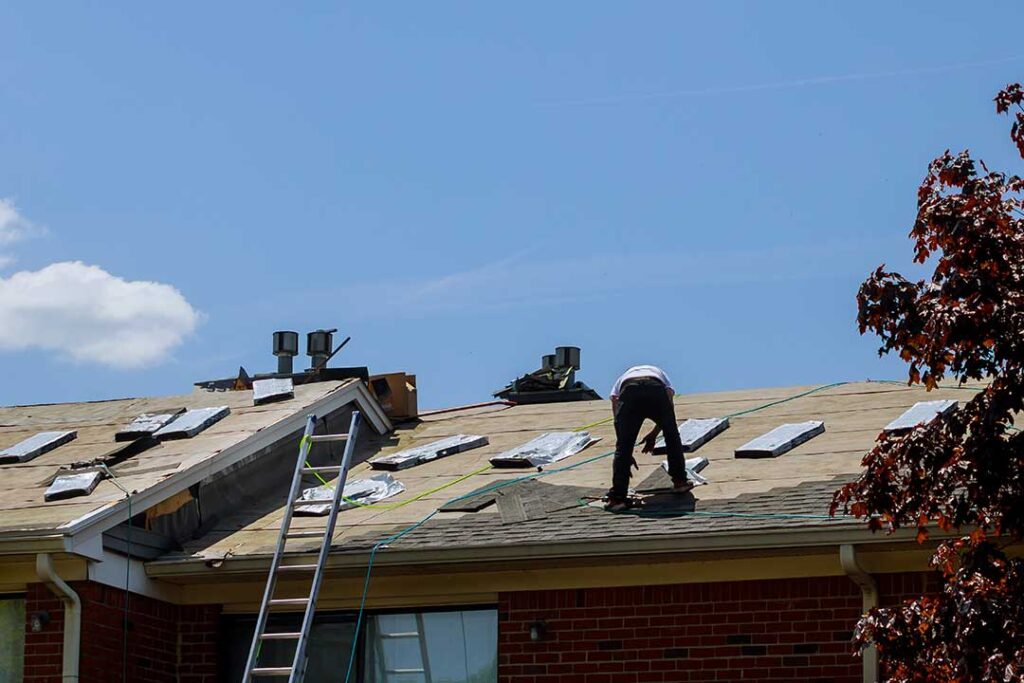
Both asphalt shingles and metal roofing are suited for Vestal, NY, but react quite differently to the area’s weather patterns. Asphalt shingles remain the most common roofing material among local households, mainly due to their historical popularity, affordability, and familiarity among area builders. They handle northeast winters reasonably well when properly installed, but can be susceptible to damage from ice dams, high winds, and repeated freeze-thaw cycles.
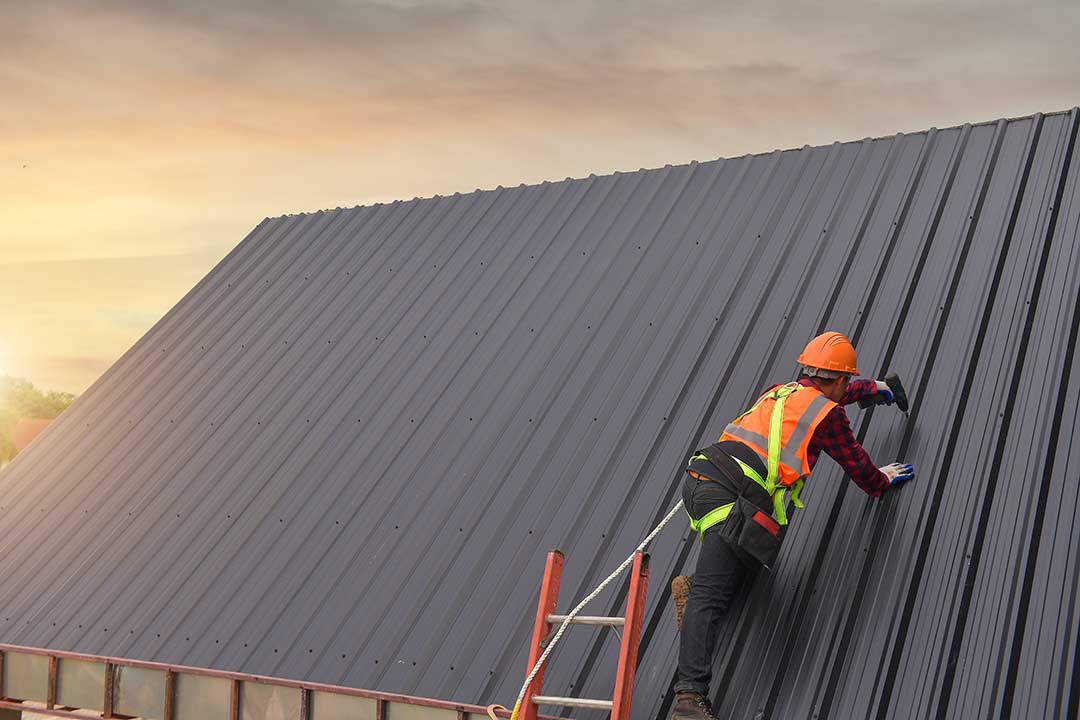
Metal roofs, on the other hand, are gaining ground in the community because of their durability and resistance to severe weather. Metal sheds snow more quickly, which can help protect against ice buildup—a recurring winter issue faced by residents in Vestal. The sleek surface of metal also withstands hail, rain, and even the weight of fallen branches better than some traditional shingles.
What Is the Usual Lifespan of Each Roofing Type?
Asphalt shingles in Vestal generally last 15 to 25 years, though local conditions such as shade from trees, attic ventilation, and maintenance habits can shorten or extend this range. Shingle roofs in shaded neighborhoods or under heavy tree cover may build up moss or experience faster degradation due to moisture retention.
Well-maintained metal roofs boast a much longer service life—sometimes 40 to 70 years or more. For city residents considering long-term homeownership or aiming to reduce future roof replacements, metal offers distinct advantages. However, both roofing types should be inspected regularly, since even durable metals may require resealing at joints or fasteners over time in the variable Upstate New York climate.
How Do Installation and Repair Costs Compare for Residents?
Asphalt shingles are typically less expensive to install than metal. For many homes across Vestal, the total installation cost is easier to fit into a modest budget. Due to their popularity, local suppliers readily stock shingle materials, and most roofing crews in the city are highly experienced with the process, which also tends to reduce both time and immediate labor expenses.
Metal roofing installation comes with higher upfront cost, largely due to materials and the additional expertise required for proper fitting and sealing. Repairs, when needed, can also cost more per instance compared to shingles. However, because metal roofs are less likely to need major repairs over time, the total lifecycle cost can be competitive for residents planning to stay in their current home for decades.
What Maintenance Needs Should Local Homeowners Expect?
- Asphalt shingles require periodic checks for curling, missing, or cracked tabs, especially after winter storms or high winds.
- Gutter cleaning is essential with both materials, but shingle roofs are more prone to granule loss and clogging.
- Moss and algae growth are more common on shingles in shaded areas or damp, tree-lined neighborhoods. These should be gently removed to prevent premature aging.
- Metal roofs benefit from seasonal inspection at seams, fasteners, and edges—especially after major snow or wind events. While rust is uncommon with modern coatings, older or compromised metal may need touch-ups or recoating.
Local homeowners should always use safe ladder practices and consider professional help only for steep slopes or when structural damage is suspected.
Are There Noticeable Differences in Energy Efficiency?
Metal roofing offers an edge in reflecting summer sun, which can keep attic spaces cooler during hot, humid Vestal summers. Some residents notice slightly reduced cooling costs with light-colored or specially coated metal panels. In contrast, asphalt absorbs more heat overall, which may contribute to warmer upper floors but also promotes ice-melt in winter.
Proper attic insulation and ventilation still play a larger role in a home’s year-round energy efficiency than roof material alone, but metal can provide a small additional advantage, especially on homes exposed to all-day sun.
How Do These Roofing Types Affect Noise, Appearance, and Property Value?
One common misconception is that metal roofing is always louder during rain or hail. On homes in Vestal with well-insulated attics or solid decking under the roof, the noise difference is minor for most residents. In fact, modern metal roofing systems are much quieter than older corrugated tin varieties.
Asphalt shingles offer a classic look that blends into most neighborhoods; color and texture options are wide-ranging enough to match most local homes. Metal roofs come in various profiles (including some designed to mimic shingles or slate), but bold colors and finishes are more visible and may appeal to those looking for a distinctive appearance.
Both roofing types can add value, but a new metal roof may stand out in resale listings, especially among buyers seeking low-maintenance or long-lasting upgrades. However, in neighborhoods where most homes use asphalt shingles, a highly reflective or bold metal roof may visually stand out more than some homeowners prefer.
What Practical Factors Should Vestal Residents Consider Before Deciding?
- Budget and expected length of homeownership—Asphalt shingles are economical for short- to mid-term plans, while metal offers better long-term value.
- Home design and slope—Very steep or complex roofs may increase metal installation costs. Some older homes with sagging decking may require upgrades for either material.
- Local storm patterns—Houses in wind-prone or exposed locations tend to benefit from impact-resistant shingles or sturdy standing seam metal.
- Neighborhood standards—Check local regulations, homeowners’ associations, or historic district guidelines about color or material restrictions.
Residents should weigh these considerations against their personal preferences, the age of the home, and future plans to achieve the right balance between cost, performance, and curb appeal.
