

How Can Severe Winds Damage a Residential Roof?
Even though roofs are designed to protect homes from the elements, high winds can cause significant and sometimes surprising damage. In Vestal, NY, wind events happen most frequently during storms in late fall, winter, and spring, when gusts can exceed 40–50 mph. Wind does not affect every part of a roof equally—edges, corners, and ridgelines are most vulnerable because they catch uplift forces. Shingles may loosen, peel, or tear away, and if underlying layers are exposed, water damage and leaks can quickly follow.
In local neighborhoods, where homes range from older single-story houses to newer multi-level construction, both architectural and basic three-tab asphalt shingles are common. Each roof type responds differently to wind stress, with older or poorly maintained roofs being more prone to visible and hidden issues.
What Are Signs of Wind Damage Homeowners Should Watch For?
Many homeowners realize their roof has been damaged only after leaks begin to appear. Recognizing early warning signs helps prevent more costly repairs:
- Missing, creased, or uplifted shingles
- Shingle granules collecting in gutters and downspouts
- Bent or dislodged flashing around chimneys and vents
- Exposed nails and loosened roofing materials, especially near the roof edge
- Small leaks or water stains on ceilings following a windstorm
Local residents often overlook gutters, siding, and outdoor debris, which can also show evidence of wind-related roof problems. After intense wind events, safe, ground-level inspections of the yard and home perimeter can reveal shed roofing materials, allowing prompt action before rain or melting snow worsen the situation.
Are Certain Roofs in Vestal More Vulnerable to Wind?
Wind vulnerability varies based on age, installation quality, and exposure. Older roofs are more susceptible, especially if shingles have begun to curl or fasteners have loosened due to past ice, moisture, or heat cycles. Roofs facing large open fields, valleys, or river corridors—common in and around many parts of Vestal—may bear the brunt of prevailing winds. Taller homes and multi-story residences also see higher wind pressure at the upper roof.
Homes with complex rooflines (multiple valleys, dormers, or steep slopes) have more surfaces for wind to catch. Meanwhile, detached garages or sheds with minimal shelter from nearby trees may experience shingle blow-off or paneling damage even before the main home does.
How Do Local Weather Patterns Impact Roof Durability?
Vestal’s climate means that winds rarely come alone—heavy rain, sleet, or snow often accompany high gusts, intensifying potential damage. Seasonal freeze-thaw cycles add vulnerability, as repeated expansion and contraction can weaken seals, making wind penetration easier. Roofs already stressed by heavy snow loads in winter may be less able to withstand intense spring winds.
Persistent wetness, common in spring and late autumn, can prevent roof materials from “resetting” after mild storm shifting, which may accelerate wear. Area households should be aware that even a roof that looks fine from the street might suffer slow-growing issues that worsen with each windy season.
What Maintenance Habits Can Help Reduce Wind-Related Problems?
Consistent preventative care is one of the most effective defenses, especially in a climate with unpredictable weather swings. Local experts recommend:
- Checking attics for leaks or daylight after major wind events
- Keeping gutters clear to prevent water pooling near damaged areas
- Trimming overhanging branches to reduce impact from falling debris
- Securing or removing loose outdoor items to minimize projectile hazards
- Observing any changes in shingle appearance after storms
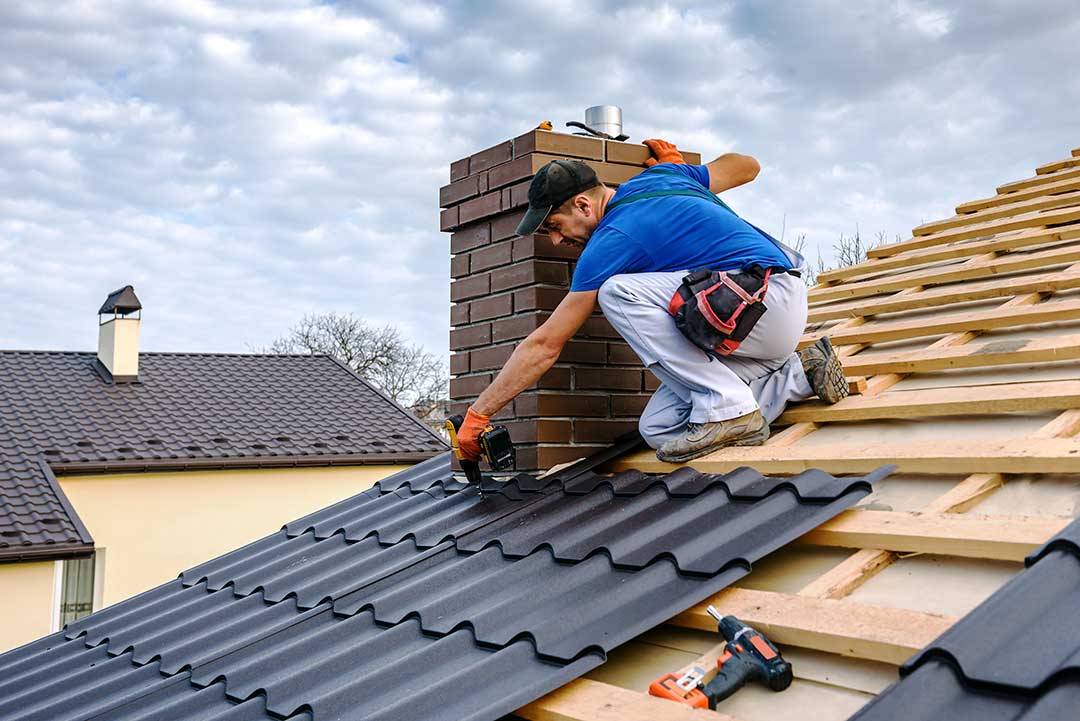
For households considering roof replacement, paying attention to local building codes regarding wind resistance can make a long-term difference. In this part of the state, most codes are written with snow load in mind, but wind uplift specifications have also been updated in recent years—a detail sometimes missed during quick repairs.
What About Insurance and Roof Inspections After a Storm?
Wind damage is usually covered under standard homeowner’s insurance policies, but coverage specifics for roofs can depend on the age and condition of the roof before the event. Policyholders should document visible wind damage with clear photos. Promptly reporting any large or risky leaks or structural issues is advised because secondary water damage is less likely to be covered if initial roof repairs are delayed.
Annual inspections—ideally before and after the “windy season”—help catch problems while action can still be taken safely. For issues involving ladders, steep pitches, or electrical hazards, homeowners should prioritize safety and not attempt repairs beyond their skills.
What Are Common Misconceptions About Wind and Roofs?
A few myths persist in the area:
- "If I can’t see shingles on the ground, my roof must be fine." In reality, wind can partially lift shingles or damage roof flashing and seals, leading to leaks that appear days or weeks later.
- "Only very high winds can cause damage." Moderate winds combined with rain or already aged roofing can gradually weaken critical areas.
- "New roofs are immune to wind problems." Even new installations can be at risk if not installed according to manufacturer guidelines or local codes.
Understanding that not every sign of damage is obvious, and that area-specific risks like ice or repeated wetting cannot be separated from wind issues, helps residents make informed decisions about ongoing roof care.
