
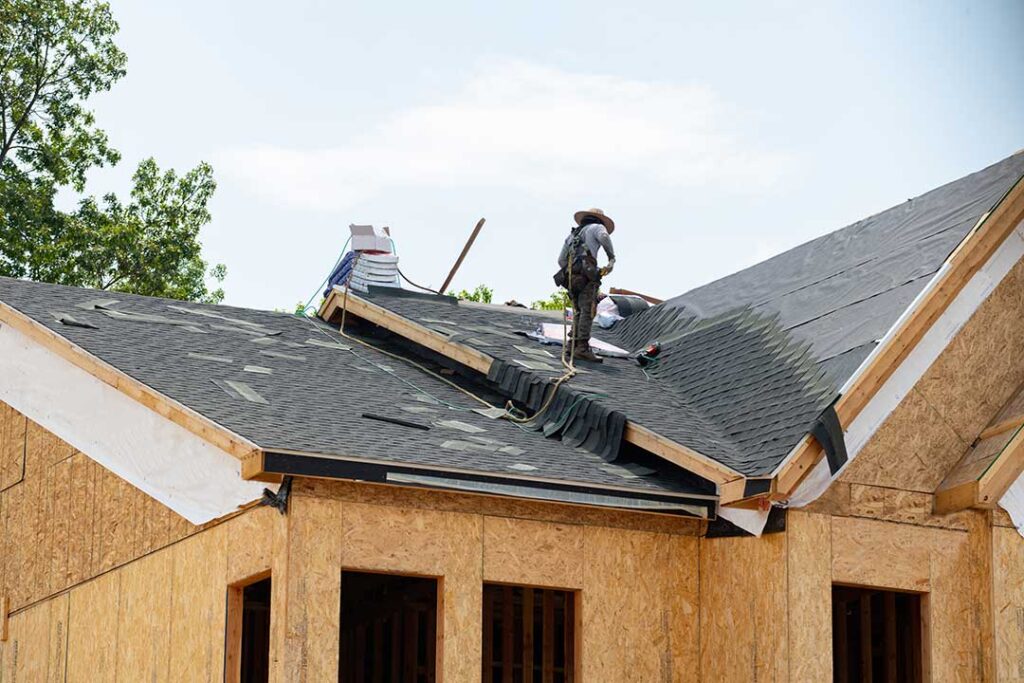
Roof decking is the layer of structural panels beneath the shingles or other roof covering. It supports the roofing system, helps distribute weight, and provides a base for underlayment and shingles. When decking becomes weakened by moisture, age, or movement, the problem can affect more than the roof surface.
For homeowners in Vestal, NY, seasonal weather makes periodic observation especially useful. Snow loads, spring rain, summer humidity, freeze-thaw cycles, and wind-driven precipitation can all expose weaknesses in roof decking over time.
What does roof decking do?
Roof decking, sometimes called roof sheathing, is usually made from plywood or oriented strand board. It is attached to the roof framing and covered by underlayment and shingles.
Its main jobs are to:
- Support roofing materials
- Spread weight across rafters or trusses
- Help keep the roof plane flat
- Provide a secure surface for roofing fasteners
- Protect the interior from weather when combined with the rest of the roofing system
Roof decking is not normally visible from the ground. Many problems are discovered from the attic, during roof maintenance, or after the outer roofing materials are removed.
What are the clearest signs of damaged roof decking?
The most dependable warning signs are sagging, soft areas, water staining, and fasteners that no longer hold securely. Some symptoms are visible inside the home, while others appear only during a roof inspection.
A sagging roof surface
A roofline that dips between framing members may indicate weakened decking or a framing concern. The change can be subtle, especially when viewed from the yard, but an uneven ridge, valley, or roof slope deserves attention.
Sagging may result from long-term moisture damage, excessive weight, movement in the framing, or a combination of problems. Snow accumulation can make an already weakened area more noticeable, but snow is not necessarily the original cause.
Soft or spongy areas in the attic
If attic access is safe, the underside of the decking can sometimes be examined with a flashlight. Areas that look dark, swollen, delaminated, or mold-stained may have absorbed moisture.
A careful observer may also notice that one section feels different from the surrounding panels. Do not walk directly on roof decking unless proper attic walk boards are present. Some damaged areas may not support a person.
Water stains or peeling interior finishes
Brown ceiling spots, stained rafters, peeling paint, or damp insulation can indicate a roof leak. The leak may be small, intermittent, or located several feet away from the visible indoor stain because water can travel along the underside of the decking before entering the living space.
A ceiling stain does not automatically prove that the decking must be replaced. However, repeated staining can mean that moisture has been present long enough to affect the wood.
Shingles that appear uneven or wavy
A roof surface that looks rippled, depressed, or uneven may reflect problems beneath the shingles. In some cases, the cause is deteriorated decking. In others, it may involve installation issues, underlayment, ventilation, or shingle aging.
The appearance should be evaluated in context rather than judged from one isolated spot. A broad area of unevenness is more concerning than a minor visual variation caused by normal shingle texture.
Roofing nails that back out
When decking becomes soft or loses its structural integrity, roofing fasteners may not remain firmly embedded. Shingle tabs can lift, nails may become visible, or repairs may fail to stay in place.
Nail pops can also result from installation movement, thermal expansion, or fasteners that were not properly set. Repeated fastener problems in the same area raise more concern about the condition of the material beneath the roofing.
Can a roof leak damage the decking?
Yes. A persistent or recurring leak can cause decking to swell, soften, delaminate, or rot. The risk is greater when water remains trapped beneath shingles or when ventilation and drying are limited.
Common leak sources include:
- Damaged or missing shingles
- Aging flashing around roof penetrations
- Ice dams or wind-driven rain
- Failed seals around vents
- Debris collecting in valleys
- Improperly directed drainage
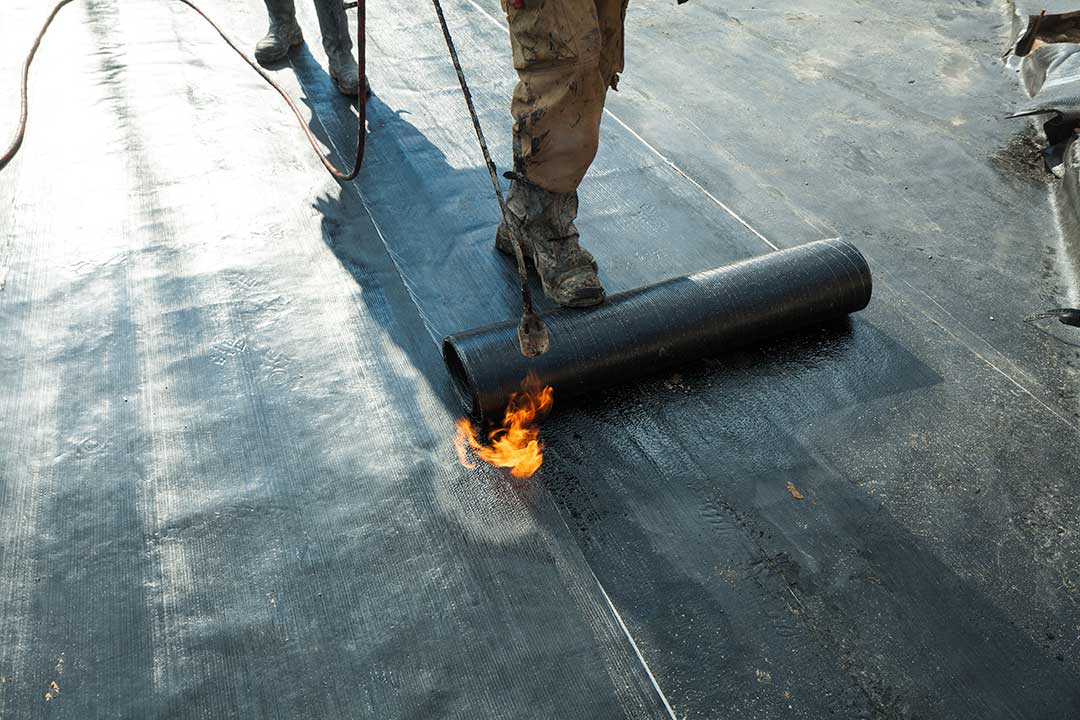
A single brief leak may not require extensive decking replacement, but the affected area should still be dried and examined. Repeated leaks can create hidden deterioration even when the ceiling stain looks small.
How does the local climate affect roof decking?
In Vestal, weather changes throughout the year can place repeated stress on roofing materials. Winter snow and ice add weight. Freeze-thaw cycles can widen small openings around flashing or fasteners. Spring rain may reveal leaks that were not obvious during colder months, while summer heat can accelerate drying and movement in roofing materials.
Roof decking generally lasts longer when it remains dry and adequately ventilated. Poor attic ventilation can contribute to condensation on the underside of the roof, especially when warm household air reaches a cold roof surface. That moisture can resemble a roof leak and may also damage wood over time.
Is dark wood always a sign that decking must be replaced?
No. Dark staining can result from old moisture exposure, surface discoloration, fungal growth, or condensation. Color alone does not determine whether the panel remains structurally sound.
Replacement becomes more likely when the wood is soft, crumbly, swollen, delaminated, visibly rotted, or unable to hold roofing fasteners. A dry stain with firm wood may be repairable or suitable for continued service after the moisture source is corrected, depending on its condition.
Can roof decking be inspected from inside the attic?
Often, yes, but an attic inspection has limits. From inside, it may be possible to see staining, mold-like growth, wet insulation, nail tips, gaps, or areas where daylight enters through the roof system.
However, attic observations may not reveal the full condition of the upper surface. Underlayment and shingles can conceal damage, and some areas may be inaccessible because of insulation, low clearance, wiring, or ductwork.
Safety should come first. Attic spaces may contain exposed nails, unstable surfaces, poor ventilation, electrical hazards, or extreme temperatures. Anyone entering should use stable walk boards and avoid stepping on insulation-covered areas where framing cannot be confirmed.
When does damaged decking require prompt attention?
Prompt evaluation is appropriate when the roof is visibly sagging, water is actively entering, the attic smells persistently damp, or a ceiling is bulging. A bulging ceiling can hold water and may fail suddenly; staying clear of the area is safer until the source is addressed.
Urgency is also higher when damage appears near structural framing, a chimney or other roof penetration, or a location that has leaked repeatedly. Temporary measures may limit additional water entry, but they do not restore weakened wood.
What happens if damaged decking is left alone?
Deteriorated decking can allow leaks to continue, reduce the holding power of roofing fasteners, and contribute to shingle movement. Over time, moisture may affect insulation, rafters, interior finishes, or household air quality.
Not every stained panel needs immediate removal, and replacing sound decking unnecessarily can add cost and waste. The practical question is whether the material is still dry, stable, and strong enough to perform its structural role. That determination is best made through direct inspection of the affected area, especially when warning signs are visible from both inside and outside the home.
