

What Does Humidity Do to Roofing Materials?
Humidity affects roofing materials by introducing extra moisture into their immediate environment. In places like Vestal, NY, where the climate includes humid summers and frequent rain, this added moisture can speed up aging, encourage mold growth, and even change the way roofing materials expand and contract. Over months and years, these effects can lead to more repairs, reduced effectiveness, and potentially shortened roof lifespans.
Why Are Some Roof Types More Vulnerable Than Others?
Not all roofs react to humidity the same way. Asphalt shingles, wood shakes, and metal panels each have unique responses to local moisture conditions:
- Asphalt shingles: High humidity can cause shingle edges to curl, lose their grit, or develop black streaks (often caused by algae or mold).
- Wood shakes and shingles: Wood absorbs moisture, which makes it swell, warp, or develop rot and mildew.
- Metal roofing: Most modern metal roofs have protective coatings, but humid conditions can lead to undermining of these layers, resulting in potential corrosion—especially if fasteners or edges are exposed.
Roofs with poor ventilation or drainage also tend to suffer more, regardless of material. In Vestal, older homes or those with heavily shaded roofs and trees nearby are especially susceptible.
How Does Humidity Lead to Mold, Algae, and Rot?
Humidity supplies the continuous moisture needed for mold, algae, and rot to flourish. On common shingles, this appears as dark streaks or patches, while wood roofs may develop soft areas or visible fungal growth. In highly humid months, the constant dampness prevents roofs from fully drying out, increasing the likelihood of:
- Black or green streaks (algae or mold)
- Musty attic smells or discoloration on roof decking
- Premature shingle decay
Contrary to some assumptions, these issues do not only affect aging or neglected roofs. Even relatively new installations can struggle if moisture keeps accumulating with little time to dry.
Does Humidity Make Roofs Less Energy Efficient?
Roofs impacted by extended humidity often lose some of their ability to insulate and reflect heat effectively. Here’s why:
- Waterlogged materials trap more heat in summer, causing attic and indoor temperatures to spike.
- Mold, algae, and moss can coat reflective roof surfaces, reducing their ability to bounce sunlight away.
- Damaged or swollen decking and insulation further compromise a home's natural cooling mechanisms.
For many homes in the area, this means air conditioning use increases as the roof traps heat, leading to higher energy bills.
Can Extreme Seasonal Changes in Vestal Worsen Humidity Effects?
Seasonal weather patterns add an extra layer of challenge. The transition from muggy summers to freezing winters in Vestal means roofing materials are exposed to rapid cycles of expansion and contraction. When combined with persistent humidity:
- Asphalt and wood may crack or split as they move between damp and dry, warm and cold.
- Tiny gaps from swelling can let more moisture underneath, compounding the effect.
- Freeze-thaw cycles turn trapped moisture into expanding ice, separating shingle layers or raising nails and fasteners.
Because these cycles repeat every year, even durable materials will eventually show stress without maintenance.
What Steps Help Mitigate Humidity Damage?
While humidity cannot be eliminated, its impact on roofs can be lessened:
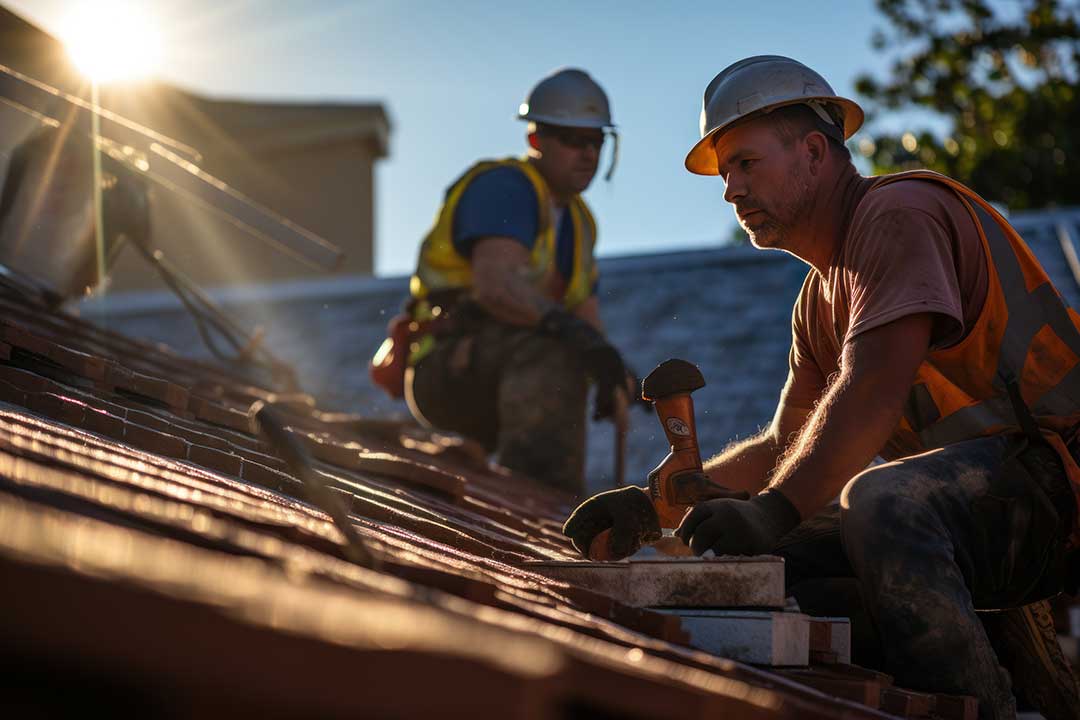
- Ensure attics are vented adequately to reduce moisture build-up.
- Clean gutters and downspouts frequently to prevent water pooling at roof edges.
- Trim tree branches for better sunlight and airflow on shaded roofs.
- Remove moss and algae growth at first sign to keep materials drier and more reflective.
- Inspect roof valleys and flashing after periods of prolonged rain or humidity.
Addressing small problems early—like debris-caused puddling, faint discoloration, or vent blockages—can save area households the cost and headache of more significant repairs.
Are There Misconceptions About Humidity and Roofing?
Yes, several common myths deserve clarification:
- Myth: Only old roofs are at risk of humidity damage.
- In reality, poorly vented or shaded new roofs can also deteriorate quickly if excess moisture is trapped.
- Myth: Metal roofs don’t suffer from humidity.
- Protective coatings can degrade over time, and exposed metal is still vulnerable to rust, particularly at seams and fasteners.
- Myth: Algae stains are just cosmetic.
- Persistent algae or moss can actually erode shingles and keep the underlying layers damp, increasing the likelihood of more serious problems.
How Can Local Weather Patterns Shape Roof Maintenance Habits?
Vestal’s combination of humid summers, tree coverage, and seasonal changes means area households benefit by paying more attention to roof health during late spring and mid-summer. Leaves and organic debris from heavy vegetation should be removed regularly, and visual checks for moss or dark streaks after a wet spell can catch problems early.
Adapting maintenance routines to local conditions—like scheduling gutter cleaning before and after major rainy periods, or inspecting ventilation at the start and end of summer—makes a tangible difference in roof longevity.
