

What Is Roof Decking?
Roof decking, often called sheathing, forms the solid surface that connects your home’s roof framing to the roofing material above. It serves as the base for shingles or other roofing products, supporting them and helping distribute weight. In nearly all homes across Vestal, decking is hidden beneath the underlayment and shingles, but it is crucial for both stability and safety.
Why Does Roof Decking Matter in Vestal?
The main job of your decking is to provide a continuous, secure platform for the roof system. For houses in Vestal, this surface needs to handle local weather: winter snow loads, freezing rain, and moisture from spring storms. If decking isn’t strong or is damaged, your roof’s overall strength is compromised.
Well-installed and maintained decking:
- Prevents sagging as heavy wet snow accumulates during Vestal winters
- Offers a secure base to fasten shingles or other roofing coverings
- Reduces the risk of leaks by providing a tight, durable layer beneath roofing materials
What Materials Are Most Common for Roof Decking?
Most decking on Vestal houses is made from wood products, though the type and thickness may vary depending on age, local codes, and builder preference.
- Plywood: Layers of wood veneer glued together. It’s sturdy and resists warping when exposed to moisture.
- OSB (Oriented Strand Board): Compressed wood strands bonded with adhesives. Increasingly popular for being cost-effective and strong for most roofing needs.
- Planks: Typically 1×6 or 1×8 solid wood boards found in older homes, especially those built before the 1970s.
Current building codes in the community set minimum thickness requirements—often 7/16" for plywood or OSB, but sometimes thicker if heavier shingles or higher snow loads are expected.
How Do You Know If Your Roof Decking Needs Attention?
Most homeowners won’t see their decking without removing the roof covering, but typical warning signs may suggest concerns:
- Uneven or sagging sections of the roof, especially after snow or ice build-up
- Water stains or mold in attics or upper ceilings
- Soft, spongy spots felt when walking on the roof (a hazard—don’t inspect roofs unless safe)
Older homes around town are more likely to have deteriorated planking or thinner sheathing that is susceptible to rot, especially if gutters overflow or roof leaks go unnoticed.
What Causes Decking Damage in the Local Area?
Decking problems in this region most often relate to moisture intrusion and freeze-thaw cycles:
- Ice Dams: Ice backup under shingles can allow water to pool and soak into decking materials.
- Roof Leaks: Even small leaks ensure repeated wetting/drying, promoting rot and mold.
- Poor Attic Ventilation: Trapped moisture from daily temperature swings raises humidity and leads to faster wood decay.
Winter conditions in Vestal push building materials to their limits. Long, wet springs and summer humidity can worsen small problems over time.
Can Roof Decking Be Repaired or Does It Need Full Replacement?
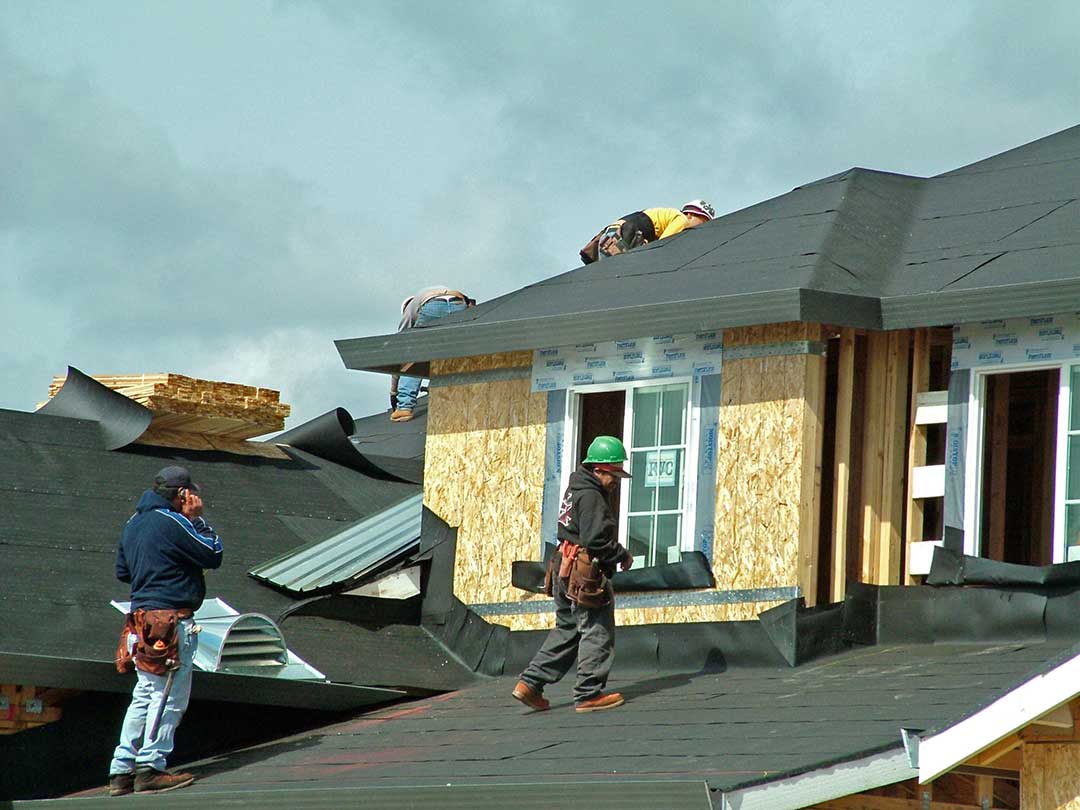
Damaged decking is sometimes fixed selectively—contractors can cut out and swap just the bad areas. However, if there’s widespread water damage, mold, or signs the material is too thin or weak, replacing all the decking on that slope is often safer and more effective. All work must comply with current building codes for safety, and in some cases, specific types of fasteners or underlayments are also required.
Are There Special Code Requirements for Roof Decking Here?
Local code enforcements typically follow statewide and national rules, but climate considerations mean inspectors pay closer attention to:
- Decking thickness and condition
- Nailing patterns for wind and snow resistance
- Acceptable types of wood panels (untreated lumber isn’t allowed if it won’t resist moisture)
After major storms or when re-roofing, local authorities sometimes require proof that hidden structural layers, like decking, are sound before allowing new roofing to go on.
What Are Some Common Misconceptions About Roof Decking?
- “If the shingles look good, the decking must be fine.” Roofing can appear healthy on the surface even if the layers beneath have issues.
- “Decking only needs replaced if it’s soft.” Weakness or rot can set in along nail holes and seams, where it’s not always obvious.
- “All wood panels are the same.” Plywood and OSB have different durability and moisture-resistance. Using a thinner or lower-quality product can lead to problems, especially under heavy snow.
How Can Homeowners Prevent Roof Decking Problems?
The most effective approach is regular maintenance:
- Clean gutters and roof valleys before and after winter to avoid ice dams and ponding
- Address leaks, missing shingles, or damaged flashing promptly
- Watch for signs of interior water damage or attic mold, which may indicate a hidden problem above
- Ensure attic insulation and ventilation meet local guidelines to control moisture and heat buildup
For repairs or complex inspections, especially after significant storms, consider guidance from those familiar with local climate and building codes to stay safe and compliant.
