
Why Does Attic Insulation Matter for Homes in Vestal, NY?
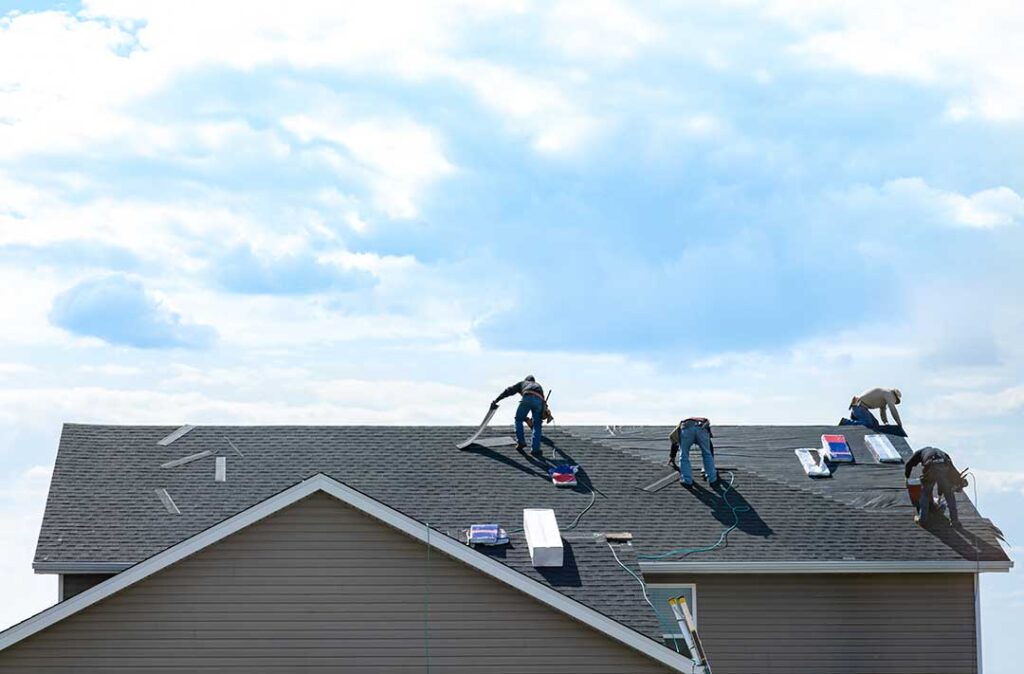
Proper attic insulation helps keep homes comfortable year-round and protects roof systems from avoidable damage. For Vestal residents, where winters bring freezing temperatures and lengthy snow cover, insulation plays a key role in maintaining stable indoor temperatures and preventing common issues like ice dams. In summer, effective insulation also helps keep cooling costs manageable and living spaces more comfortable.
How Does Attic Insulation Impact Roof Longevity?
Attic insulation contributes directly to roof health by regulating temperatures and reducing moisture buildup:
- Insulation slows indoor heat from escaping into the attic during cold months, reducing freeze/thaw cycles that can shorten shingle life.
- Adequate insulation limits the formation of ice dams, which happen when warm attic air melts snow on the roof and refreezes at the eaves, potentially causing leaks and water damage.
- When paired with proper attic ventilation, insulation also helps minimize condensation, preventing wood rot and mold that can undermine roof structure.
Neglecting attic insulation may not cause an immediate roof issue, but over time it can contribute to premature deterioration and costly repairs.
What R-Value is Recommended for Attics in Vestal Homes?
Locally, most experts recognize that a higher R-value (a measure of insulation’s resistance to heat transfer) is needed to withstand cold winters. The U.S. Department of Energy suggests R-49 to R-60 for attic spaces in climates similar to Vestal, which usually means between 16 and 20 inches of loose-fill or batt insulation.
Many older homes in the area have less than half this amount, leading to higher energy bills and more vulnerability to ice dams. Homeowners often assume their attic is "good enough" if the upstairs doesn’t feel drafty, but insufficient depth or gaps can significantly reduce the overall effectiveness.
What Are the Signs of Poor or Failing Attic Insulation?
In Vestal households, some of the most frequent signs of inadequate attic insulation include:
- Excessively high heating or cooling bills compared to similar homes
- Uneven indoor temperatures, especially in upper rooms or near ceilings
- Icicles forming along eaves, or visible ice dams in winter
- Cold drafts or floors near attic-access points
- Mold or mildew smells in the attic or on the upper floor
- Cold spots on interior ceilings during winter
If these symptoms are present, it’s often worth checking attic insulation levels and looking for displaced or compressed materials.
How Does Attic Insulation Reduce Ice Dams?
Ice dams are a widespread concern in the area and can be mitigated through insulation. When insulation keeps attic air cold by preventing warm air leakage from below, the roof surface stays closer to outdoor temperatures, so snow melts evenly instead of only at peaks, running down and freezing at the gutter line.
Attic insulation works best when paired with good air sealing around recessed lighting, vent pipes, and attic hatches. Even small heat leaks can negate some insulation benefits.
Are There Common Attic Insulation Mistakes in Local Homes?
Several issues frequently appear in homes throughout Vestal:
- Insulation is often distributed unevenly, creating cold patches.
- Gaps or compressed areas (from storing items in the attic or from foot traffic during maintenance) significantly reduce the R-value.
- Blocking attic soffit vents with insulation can trap moisture, promoting rot or mold.
- Overlooking air leaks around chimneys, plumbing, or electrical penetrations can allow warm air to escape, minimizing the effectiveness of insulation upgrades.
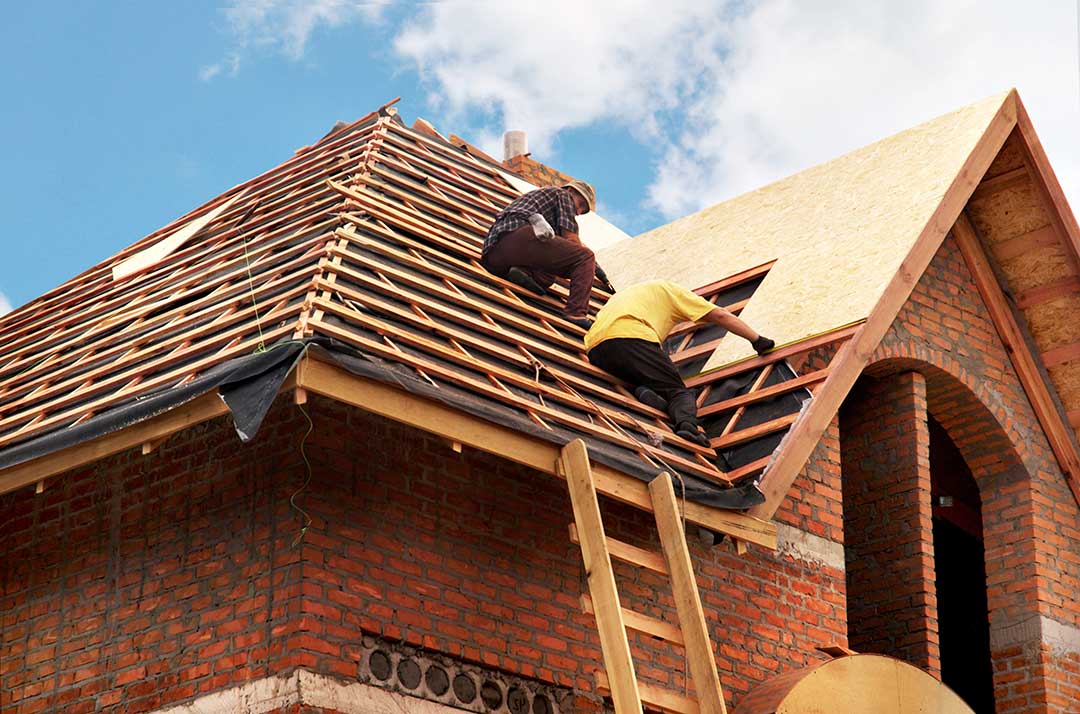
Addressing these issues involves careful installation and ongoing attention if the attic is accessed regularly.
What Types of Insulation Are Typically Used in Attics Here?
Most homes in the city use one of three types:
- Fiberglass batts—easy to install but must be carefully fitted to avoid gaps
- Blown-in cellulose or fiberglass—useful for adding depth over existing insulation and filling irregular or hard-to-reach spaces
- Spray foam—provides high R-value per inch and also acts as an air barrier, but generally costs more and is less common in attics intended for storage
Selecting between these depends on attic layout, existing insulation, and whether air sealing is also needed.
Can DIY Attic Insulation Be Safe and Effective?
Adding insulation in an unfinished attic can be a doable project for residents with a sturdy attic floor, basic home improvement skills, and willingness to follow safety precautions. Wearing protective gear and taking care around electrical wiring or existing venting is essential. However, attics with pre-existing moisture issues, visible mold, inaccessible areas, or unknown wiring may be safer to assess and upgrade with professional input. Any work near vermiculite insulation (possible asbestos risk) should follow federal safety guidelines.
How Often Should Attic Insulation Be Checked or Upgraded?
Attic insulation doesn’t last forever. Compaction, moisture, and pests can degrade its performance over time. In the Vestal area, a good rule of thumb is to check attic insulation every few years—especially after roof work or if significant drafts, heat loss, or moisture problems are noticed. Homes built before the early 1980s especially tend to have much less than modern recommendations.
Routine inspection can help detect problems before they lead to bigger energy expenses or roofing issues.
