
Does My Roof Type and Condition Support Solar Panels?
Most residential roofs in Vestal can physically support solar panels, but not all are ideally suited. Before considering solar installation, assess both the material and current condition of your roof.
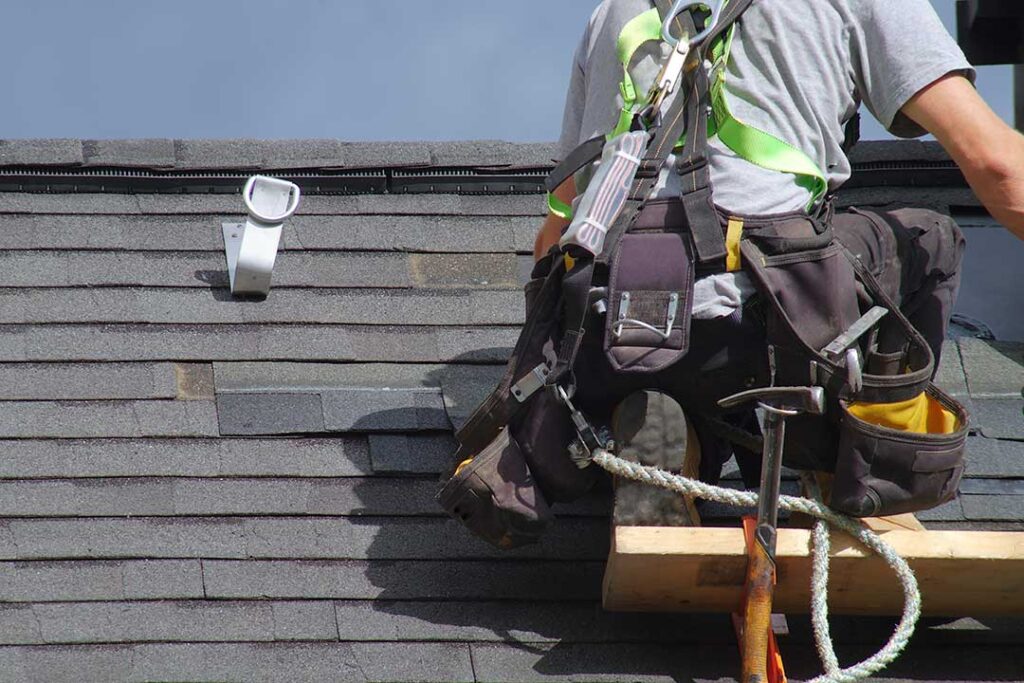
Most solar systems are designed for roofs made of asphalt shingles, standing seam metal, or flat rubber, which are common in the region. Older roofs, especially those with cracked shingles, recurring leaks, or nearing the end of their useful life, may need inspection or replacement first. Installing panels on a roof due for replacement can add unnecessary costs and labor later—panels need to be removed and reinstalled when the roof is replaced.
Things to check:
- Age of the roof: If it’s over 20 years old, replacement may come sooner than solar’s 20–30-year lifespan.
- Material: Slate and tile roofs, which are less common in the area, often require extra mounts or may not be ideal.
- Roof shape: Large, unobstructed, south-facing sections maximize solar benefit.
How Does Vestal's Climate Affect Solar Panel Performance?
Vestal's climate is characterized by four distinct seasons—a snowy winter, wet springs, warm summers, and leafy autumns. Solar still works well here, though local conditions play a role.
Panels generate the most electricity during direct sunshine, but still collect energy on cloudy days, just at reduced efficiency. Local households, especially those with south- or southwest-facing roofs, see the best production. Snow does cover panels in winter, typically sliding off with the first strong sun or mild day, but sustained heavy snow cover can reduce output temporarily.
Local considerations:
- Winter snow accumulates, but most arrays are mounted at an angle to encourage melting and natural clearing.
- Leaf litter and pollen (especially in the spring and fall) can require occasional rinsing to keep performance stable.
- Hail, while rare, is a concern; modern solar panels are tested for impact resistance suitable for upstate weather.
Do I Need Special Permits or Follow Local Rules?
Yes. Any solar project on a home in Vestal requires municipal approval prior to installation. The city has adopted New York State standards for solar permitting and inspection, primarily for safety and electrical compliance.
Before installation, a building or electrical permit application must be submitted, including basic plans showing panel layout and roof load calculation. After installation, a final inspection ensures safe connection to the utility grid. These steps help protect both home safety and neighborhood infrastructure.
Typical oversight includes:
- Verifying electrical code compliance
- Ensuring panels meet local wind and snow load standards
- Confirming fire code clearances around roof edges
- Approving structural mounting methods for the existing roof
Will Solar Panels Damage My Roof or Cause Leaks?
Properly installed solar panels should not cause leaks or roof damage. Modern mounting systems use flashing and specialized hardware to maintain the roof’s water barrier and structural integrity. Problems most often occur when panels are installed on top of compromised roofing, or if installation is rushed without proper sealing.
To safeguard your home:
- Make sure old, deteriorated roof areas are addressed before installation
- Understand where mounts will be anchored—nails or bolts should be sealed with weatherproof materials
- Check that the array allows access for gutter cleaning or occasional roof maintenance
What Maintenance Do Solar Panels and Roofs Need After Installation?
Solar panels themselves require minimal care, but regular attention to both the system and underlying roof will help ensure longevity—particularly in a climate with frequent tree cover and variable weather like Vestal.
- Visually inspect panels in the spring and fall for leaf buildup, droppings, or heavy soiling—most dirt washes off with rain, but a gentle rinse with a hose may help.
- After major storms, check for debris accumulation around and under the array.
- Keep branches trimmed back to avoid shade and reduce storm risks.
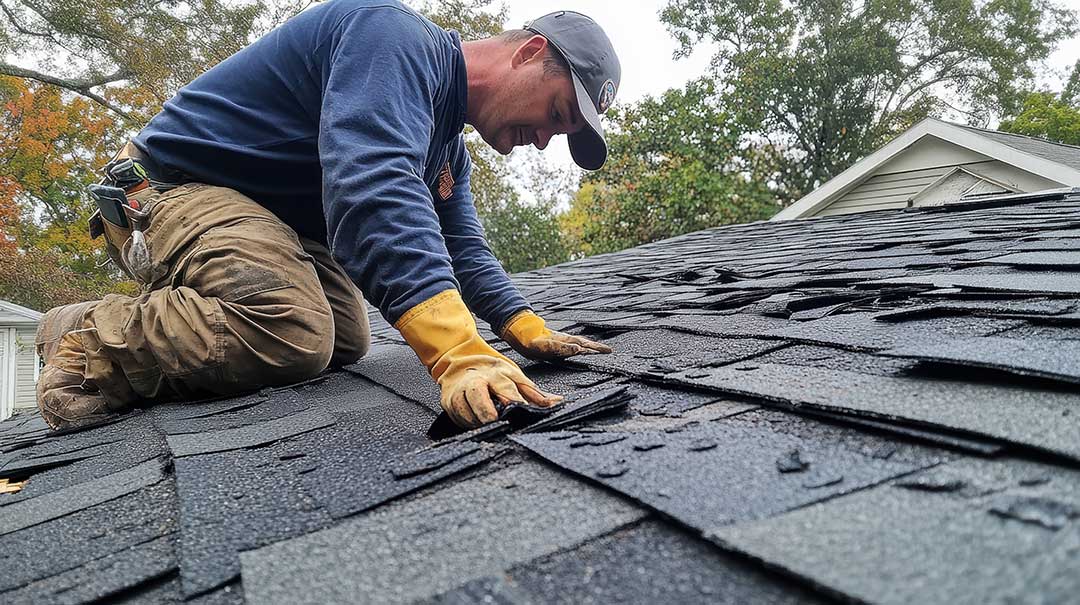
- Don’t ignore standard roof maintenance; routine inspection near the panel mounts can catch issues before they become problems.
- Many local homeowners perform these checks from the ground or with binoculars, reserving rooftop visits for safe conditions.
Are There Utility or Electrical Grid Requirements?
Connecting solar to the local utility grid requires compliance with utility interconnection standards. In Vestal, home solar is tied to the local electrical system, so approvals and inspections from both the city and electric utility are necessary.
Net metering is available, allowing residents to receive credits for excess power sent to the grid, but grid upgrades or smart meters may be part of the process. The utility may require visible shutoff switches near the meter and updated labeling for emergency crews.
How Long Does a Roof Last Under Solar Panels?
When panels are installed properly, they can actually protect the portion of the roof beneath them from UV light, hail, and weathering, sometimes extending the hidden roof’s life. However, the uncovered areas age normally, so any replacement or repair must consider both exposed and protected sections.
Solar panel systems can be safely removed and reinstalled if roof replacement is eventually needed, but it’s more convenient and cost-effective to pair installation with a roof that still has many years of life ahead.
What Are Common Misconceptions About Solar and Roofing?
- Solar panels don’t require a brand-new roof, but waiting until after a major re-roofing is smart.
- Cold, snowy climates can still be solar-friendly because many panels work more efficiently in cool weather.
- Properly installed solar panels do not "void" a roof warranty, but it’s important to read the roofing material’s specific warranty details and work with reputable installation practices.
- Gutters, skylights, and chimneys need to be considered in the layout—complex roofs can usually accommodate solar, but may require more planning.
