

Why Do Moss and Algae Grow on Roofs in Vestal, NY?
Moss and algae are common on roofs in Vestal, NY due to the area’s moist climate and seasonal weather patterns. Our humid summers, regular rainfall, and shaded yards provide ideal conditions for these plants to thrive on roofing surfaces.
Algae, recognizable as dark streaks, tends to form on shingles that retain moisture or stay in shady areas for long periods. Moss appears as green, fuzzy patches and prefers similar shady, damp spots, especially on the north-facing sides of homes and in areas blocked by trees or other structures. Roofs with overhanging branches or lots of debris often see faster growth because leaves trap moisture, giving moss and algae the environment they need to flourish.
Do Moss and Algae Damage Roofs?
Yes, both can contribute to roof deterioration over time if left untreated. Even though algae growth is mostly a cosmetic issue, it can lead to the roof absorbing more heat, which adds stress to roofing materials. Moss, on the other hand, is more damaging. Its roots (rhizoids) can lift shingles or get under roofing materials, leading to leaks, wood rot, and shortening the lifespan of the roof.
Vestal roofs constructed from asphalt shingles are especially vulnerable, as moss can wedge its roots into shingle crevices, trapping more moisture against the roof and speeding up decay during freeze-thaw cycles common in the region.
How Can Homeowners Prevent Moss and Algae Growth?
Proactive prevention is the most effective way to keep moss and algae at bay. Here are locally relevant prevention tips:
- Prune overhanging tree branches to reduce shade and allow sunlight to dry the roof.
- Regularly clear away leaves, pine needles, and other debris—especially in the fall.
- Keep gutters clean to ensure proper drainage, especially after Vestal’s frequent rainstorms.
- Trim ivy or other climbing plants near roof edges, since these also trap moisture.
Some newer roofing materials include algae-resistant features. For existing roofs, strips of zinc or copper can be installed near the ridge; when it rains, small amounts of metal wash down the roof, inhibiting moss and algae growth. However, this method may be less effective on complex or very low-sloped roofs.
What’s the Safest Way to Remove Moss and Algae from a Roof?
Manual and chemical cleaning are the two main approaches. Safety and roof preservation should be the top priorities.
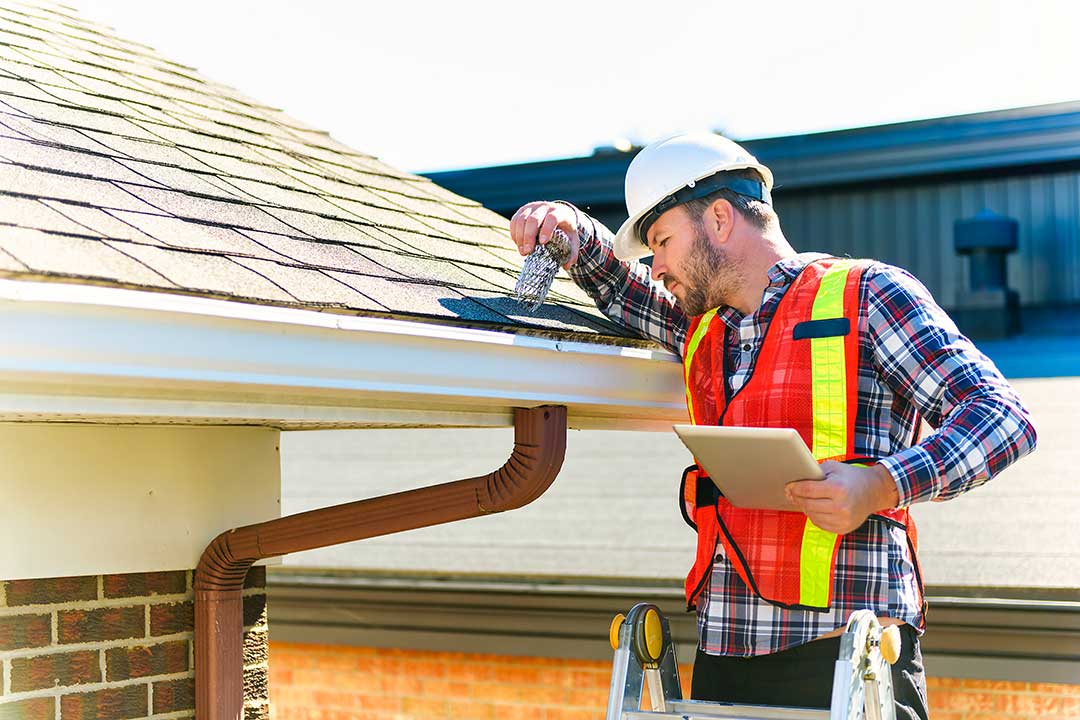
Manual removal involves gently brushing away moss with a soft-bristled broom or long-handled brush. Never use high-pressure washing, as it can damage shingles and force water underneath, possibly leading to leaks. Ideally, work from a ladder rather than walking directly on the roof, especially on steeper or aging surfaces.
For chemical cleaning, products specifically made for roof cleaning are preferred over household bleach mixtures. Many hardware stores stock gentler roof cleaners that won’t harm shingles, metal, or nearby plants if directions are followed carefully. Always apply any cleaner on a cool, cloudy day and ensure rinsing water runs off the roof safely without pooling near foundations.
If the roof is very steep, wet, or covered in significant moss, prioritizing safety and waiting for dry, stable weather is advised. Working with a second person on the ground for support improves safety.
Are Homemade Remedies Safe or Effective?
Homemade moss and algae remedies—like diluted bleach or vinegar—are often discussed in community forums. While these can work for small, localized patches, they come with some cautions.
- Bleach can whiten or streak shingles and run off into garden beds, potentially harming plants.
- Vinegar is less harsh but often less effective and requires more scrubbing.
If using any homemade solution, protect surrounding landscaping with tarps, and rinse roof surfaces thoroughly after treatment.
Regardless of the method, always use the mildest solution practical. Avoid using abrasive powders or metal brushes, as these will shorten the life of most roof shingles.
What Are Some Misconceptions About Moss and Algae on Roofs?
A common misconception in the community is that these growths are purely cosmetic or inevitable due to local climate. While it’s true that Vestal’s tree canopy provides excellent shade (and color) for neighborhoods, moss and algae shouldn’t be ignored. Another myth is that power washing is an effective solution—it actually risks expensive damage to most local roof types.
Many also believe that small moss or algae patches don’t matter. Even minor growths should be addressed promptly to prevent moisture retention and gradual shingle decay.
How Often Should Roofs Be Checked for Moss and Algae?
It’s wise to examine your roof at least twice a year—spring and fall are natural times for inspection as part of seasonal home maintenance. After heavy spring rains or a leafy autumn, look for:
- New green or black patches, especially on shaded sections
- Curling, lifting, or soft spots on shingles
- A buildup of debris in roof valleys or gutters
Timely cleaning helps prevent growth from spreading and avoids damage that’s harder to address during colder winter months.
Is Professional Help Ever Necessary?
For most minor, accessible moss or algae issues, local residents can handle cleaning with basic safety precautions. However, if the roof is steep, especially slippery, or seems fragile, it’s safer to avoid personal risk. Likewise, if suspected water damage has already occurred (like interior leaks or sagging spots), prompt inspection prevents escalation.
Most importantly, never attempt roof work in wet or icy conditions, which are not uncommon in Vestal during late fall, winter, and early spring. Prioritizing safety ensures maintenance efforts don’t turn into emergencies.
